



© 2010 National Intelligence Agency Inc. All Rights Reserved.
Forensic Pathology
What purpose is served?
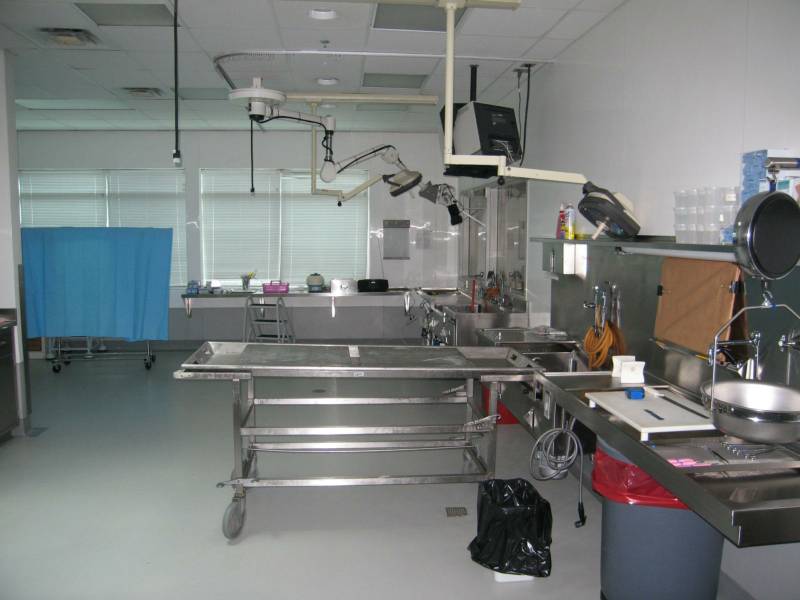
When performing an autopsy to assist in determining the cause and manner of death, a forensic pathologist notes and collects various types of evidence that commonly has the potential to connect suspects, perpetrators to victims; however, the degree to which items of evidence are collected depends on circumstances unique to each individual case. Ultimately, the purpose that is served is to determine whether the manner of death is the result of a natural disease process, homicide, suicide or accident. Upon a determination relative to cause and manner of death being established, legal consideration can be given to criminal prosecution, civil liability claims, wrongful death, medical misadventure, malpractice, claims of neglect, etc.
What can I expect?
In those all too often circumstances where the death of a loved one is unexpected, seemingly unexplainable, unreasonable or beyond one’s rationale based upon what is known, reported or believed, an independent forensic pathologist performing a privately contracted autopsy on behalf of the family or loved one may be most appropriate action to obtain peace of mind and closure. An independent and private examination and autopsy by an impartial professional often offers the best resource available to obtain closure and peace of mind. Whether the initial autopsy or secondary (a second opinion) to a previously performed Federal, State or County sanctioned autopsy, the findings will be detailed in an autopsy report, as well as examined against previous findings and/or reports for accuracy, truth and consistency.
Typical information included in autopsy reports are:
- Reason for performing the autopsy
- Historical/investigative summary
- Examination type, date, time, place, assistant(s), attendees
- Presentation of body, clothing and associated items.
- Diagnostic and therapeutic devices & markings
- Postmortem imaging studies
- Features of identification
- Postmortem changes
- External examination
- Internal examination
- Evidence of injury
- Other Procedures
- Histological description
- Results of procedures
- Statement of clinical findings and diagnoses
- Cause of death statement
- Summary & comments
- Amendments (if necessary)
Contact the National Intelligence Agency, Inc. (NIA) professionals with inquiries regarding concerns, request and evaluation of the circumstances surrounding a death in relation to whether a medicolegal death investigation and/or autopsy is warranted. It is of significance to note that associated costs for such services are contingent upon the circumstances surrounding the death, the nature of the postmortem examination and/or the extent of the requisite autopsy performed if in fact a previous autopsy was performed.
What is it?
Forensic pathology involves the examination of the living or dead for the benefit of public interest and/or the courts for the purpose of providing a scientific professional opinion relative to the cause, mechanism and manner of death, injury or illness. Additionally, forensic pathology involves the correlation and reconstruction of wounds, wound patterns, injuries and sequences in a comprehensive manner that speaks to a person's condition at or around their time of death.
